
How we package our Teas
A high-quality product needs suitable packaging. It protects the quality, aroma and efficacy of our medicinal, herbal and enjoyment teas and helps ensure that our products reach consumers safely. At the same time, packaging is one of the key environmental impacts of our products and is therefore an important area of action for us. We continuously work on material selection, product protection, disposal options and possible further development of our packaging. Transparency is important to us. That is why this page shows which materials we use, how they can be disposed of, and which challenges we are currently facing.

Paper - Blue or Green Bin
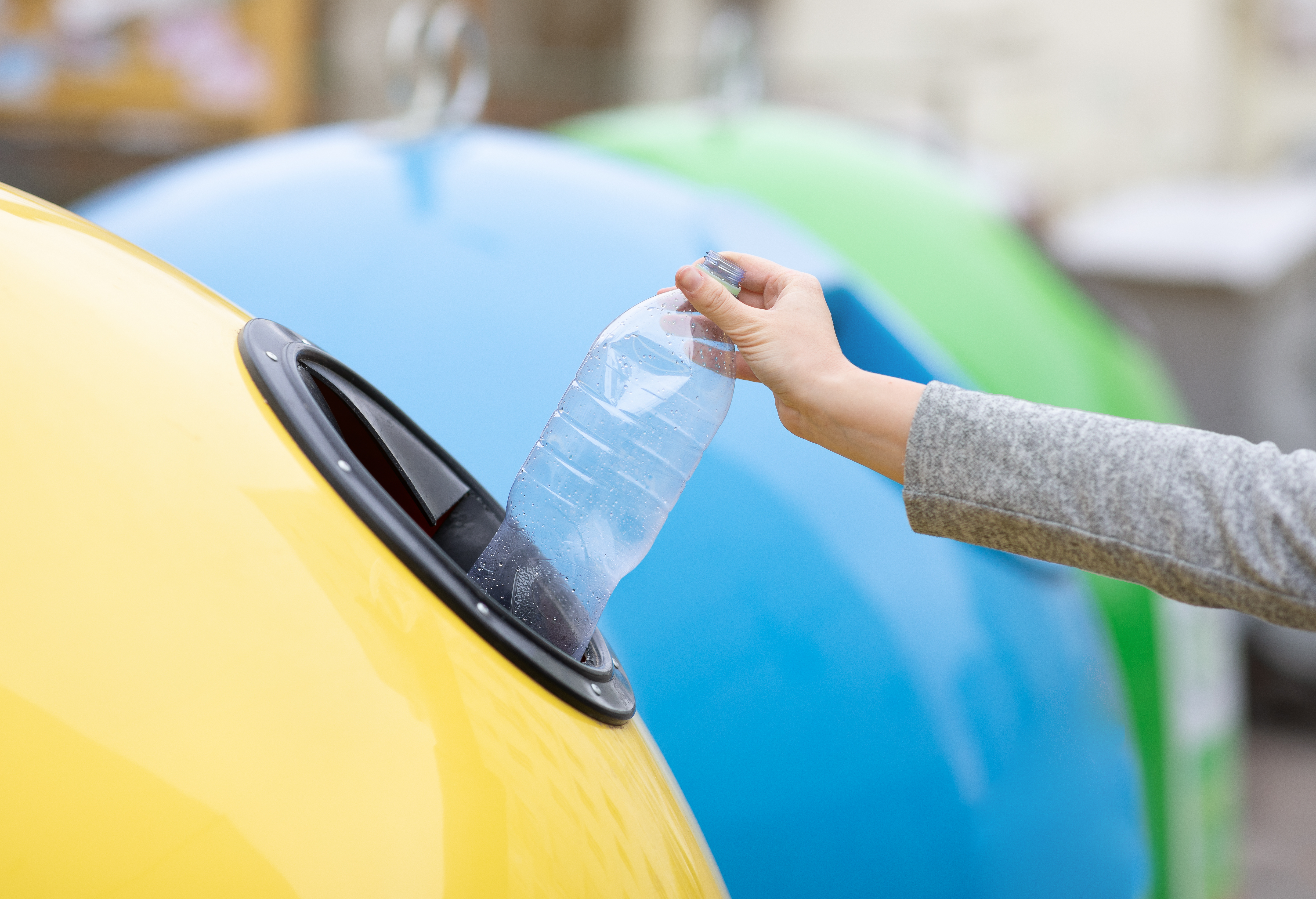
Lightweight Packaging: Yellow Bin or Yellow Bag?
Here, too, collection systems differ from region to region. What belongs in this waste stream, however, is the same everywhere: only so-called "lightweight packaging" (Leichtverpackungen), meaning packaging made of plastic, metal or composite materials. Typical examples are sausage or cheese packaging, aluminum cans, beverage cartons or cosmetic packaging. From the Bad Heilbrunner range, certain portion packs (see guide below) and our aroma protection pouches can be disposed of in the yellow bag or bin. They are made of composite materials, meaning a combination of different materials. This is necessary to protect certain teas. Composites cannot currently be recycled, which is why we are looking for possible alternatives.


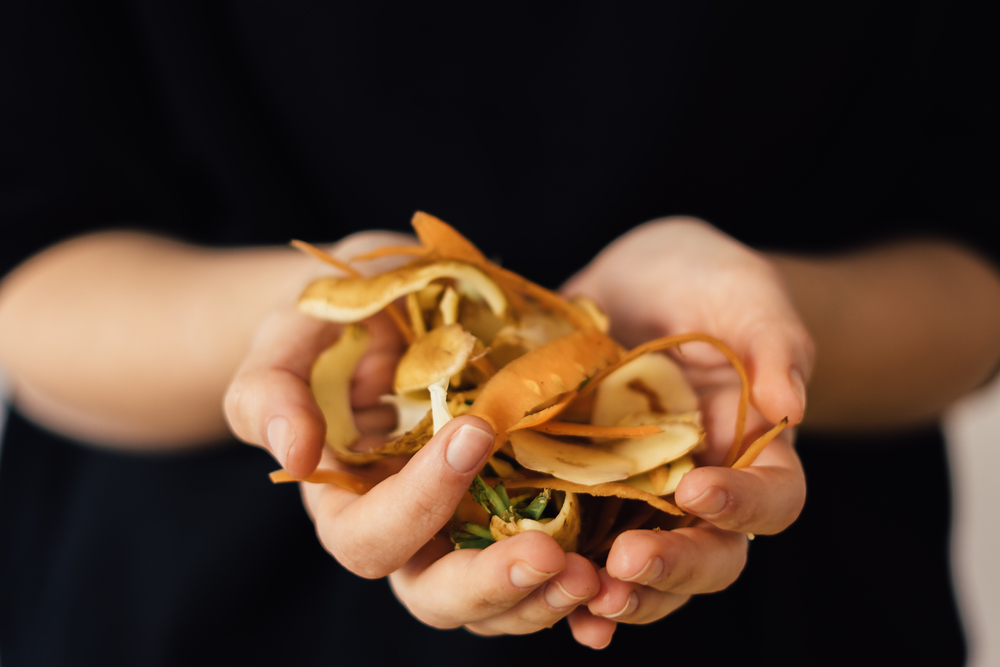
Organic Waste: Brown Bin or Compost

Residual Waste - Black Bin
Only waste that cannot be recycled in any of the other waste streams should go into residual waste, as it is incinerated. In modern facilities, this process generates electricity and heat, but emissions cannot be fully avoided. In addition, it is a linear process: once waste has been incinerated, nothing new can be made from it. We therefore aim to use as few materials as possible in our products that must be disposed of as residual waste. Use our guide to avoid sorting errors and give our materials another chance to be put to use!


